Insurance Payment Reconciliation Platform
Align premium collection, installment billing, and payment orchestration with accounting and policy data
Reconciliation is where insurance payment workflows either stay controlled or break down. CoverPay aligns premium collection, installment billing, and failed payments with accounting systems and policy lifecycle. Learn how reconciliation works.
Payment reconciliation connects directly with accounting systems and policy systems, ensuring accuracy across transactions.
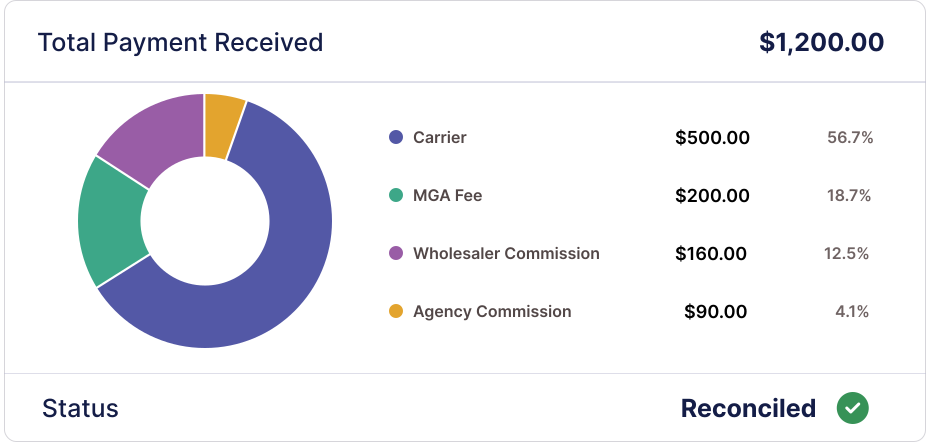
What Reconciliation Requires in Insurance
Insurance reconciliation must handle:
This makes reconciliation a system-level function, not just an accounting task.
How CoverPay Handles Reconciliation
CoverPay automates reconciliation across all payment flows. Connected to payment orchestration, premium collection, and finance workflows
All reconciliation is tied directly to payment and policy data.
Payment Allocation
Every payment must be allocated correctly.
This includes:
Incorrect allocation leads to reporting errors and financial gaps.
Integration With Premium Collection
Reconciliation depends on accurate payment data.
Installment Billing Impact
Installment billing adds complexity to reconciliation.
Impact of Failed Payments
Failed payments create reconciliation gaps.
Agency Bill and Direct Bill
Reconciliation depends on billing structure.
Agency Bill
- Full responsibility for reconciliation
- Must track all financial flows
Direct Bill
- Partial responsibility
- Focus on commissions and reporting
Trust Accounting Alignment
Reconciliation must align with trust accounting.
Accounting System Integration
Reconciliation must integrate with accounting systems.
Why Reconciliation Breaks
Reconciliation fails due to: